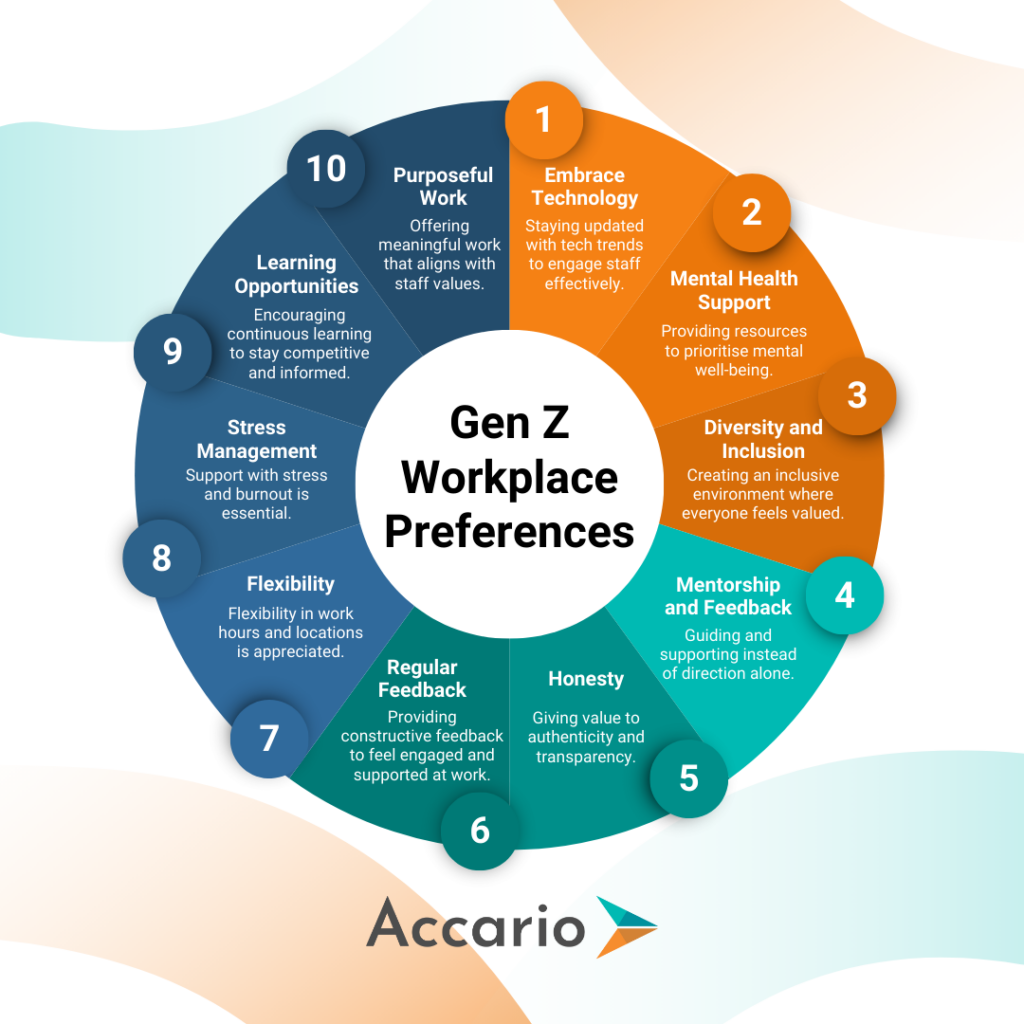

Diversity and inclusion (D&I) are no longer just buzzwords in the corporate world — they’re the backbone of a workplace culture that fosters creativity, fairness, and innovation. 🌟 For Gen Z, the most diverse and socially aware generation yet, D&I isn’t an optional extra; it’s a dealbreaker.
Gen Z (born between 1997–2012) has grown up in a globally connected, digital-first era. They’ve witnessed movements like Black Lives Matter, #MeToo, LGBTQ+ rights, climate activism, and gender equality unfold in real time on their phones. 📱 For them, D&I is not a corporate checkbox; it’s a value system that directly impacts their career choices, productivity, and loyalty to employers.
Let’s explore why D&I matters so much for Gen Z, what they expect from employers, and how companies can rise to meet these expectations.
🌈 1. Why Diversity & Inclusion Matters More Than Ever
For older generations, diversity in workplaces often meant just hiring people of different genders or ethnicities. But for Gen Z, diversity is multi-dimensional. It’s about:
Gender identity and expression 💁♀️
Sexual orientation 🏳️🌈
Cultural and ethnic backgrounds 🌏
Neurodiversity 🧠 (autism, ADHD, dyslexia, etc.)
Disability inclusion ♿
Socio-economic backgrounds 💸
And inclusion means making sure everyone feels heard, valued, and supported, not just hired for representation. Gen Z believes innovation thrives when people with different perspectives sit at the same table.
💼 2. Gen Z’s Expectations from Employers
Gen Z isn’t shy about demanding accountability from organizations. A 2023 Deloitte survey found that over 75% of Gen Z employees would leave a company that fails to prioritize D&I. 🚨
Here’s what they expect:
Representation at All Levels 🪜
Gen Z wants to see women, people of color, and LGBTQ+ individuals not just in entry-level jobs but in leadership positions. Representation at the top signals true commitment.
Safe & Inclusive Policies 📝
Gender-neutral restrooms, flexible religious accommodations, and inclusive healthcare benefits (like mental health coverage and LGBTQ+ family benefits).
Pay Transparency & Equity 💵
No hidden salary ranges. Equal pay for equal work, regardless of gender, race, or age.
Training & Awareness Programs 🎓
Regular workshops on unconscious bias, cultural sensitivity, and inclusive leadership.
Open Conversations 💬
A workplace culture where employees can call out discrimination without fear of retaliation.
🚀 3. How Workplaces Are Changing
Forward-thinking companies are already making changes:
Microsoft introduced inclusive hiring programs for neurodiverse individuals.
Salesforce conducts regular pay audits to ensure gender pay equality.
Google celebrates cultural heritage months, fostering belonging across global offices.
Smaller startups are embedding D&I into their DNA from day one — creating policies before scaling.
But Gen Z expects more than campaigns and hashtags. They want authentic action.
🎭 4. Breaking Stereotypes – Gen Z’s Bold Role
Stereotypes like “tech is for men” or “leadership is for extroverts” don’t fly with Gen Z. Instead:
Women in Tech & Leadership 👩💻 are being celebrated, with Gen Z amplifying their voices on LinkedIn, YouTube, and podcasts.
Men embracing caregiving roles 👨🍼 are normalizing shared responsibilities.
Non-binary professionals are rewriting workplace norms by being their authentic selves without apology.
Gen Z is forcing companies to re-examine outdated hierarchies and change the very definition of professionalism.
📊 5. The Business Case for D&I
Diversity isn’t just the “right thing” — it’s also the smart thing:
Companies with diverse leadership teams are 33% more likely to outperform competitors (McKinsey study).
Inclusive workplaces see 2.3x higher cash flow per employee (Deloitte).
Teams with diverse perspectives are 60% better at problem-solving.
Gen Z knows this, and they’ll happily work for (and promote) companies that embrace these benefits.
🌐 6. Challenges in Achieving True Inclusion
Of course, implementing D&I is not without hurdles:
Tokenism – hiring one minority candidate for “representation” but not empowering them.
Resistance to change – older leadership not understanding the urgency.
Global cultural differences – one-size-fits-all D&I doesn’t always work across countries.
Lack of metrics – many firms still don’t measure inclusivity beyond hiring numbers.
But Gen Z isn’t afraid to call out these gaps on social media, Glassdoor, or in exit interviews. 🚪
💡 7. The Future of D&I with Gen Z Leading the Charge
Here’s where things are headed:
AI for bias-free recruitment 🤖 – Using technology to remove unconscious bias from resumes and interviews.
Remote-first inclusion 🌍 – Building global teams where geography isn’t a barrier to opportunity.
Employee-led D&I councils 🏛️ – Giving Gen Z employees a direct say in shaping workplace policies.
Inclusive branding 📢 – Companies will market not just their products but also their values to attract both talent and consumers.
In short, D&I will no longer be a “program” — it will be the foundation of modern work culture.
✨ Final Thoughts – Gen Z’s Non-Negotiables
For Gen Z, a career is about purpose, not just pay. It’s a reflection of their identity, values, and the change they want to see in the world. 🌎 If companies don’t live up to their expectations, Gen Z won’t hesitate to:
Quit 🏃♂️
Call it out online 🗣️
Or build their own inclusive startups 🚀
Employers who take D&I seriously will not only attract the best Gen Z talent but also unlock innovation, loyalty, and global competitiveness.
💪 Motivation for You
Remember: change doesn’t happen overnight, but your voice matters. Whether you’re a student, a young professional, or an aspiring entrepreneur, you have the power to shape what inclusivity looks like in tomorrow’s workplaces. Speak up, push boundaries, and don’t settle for less than fairness and equality. 🌟
👉 Gen Z isn’t waiting for change — we are the change.