
Education has never stayed still. From papyrus scrolls in ancient libraries to massive online courses accessible on a smartphone, the way humans learn has always evolved with technology. But right now, we’re not just seeing another step forward — we’re watching education reinvent itself completely.
Artificial Intelligence, Virtual Reality, and Micro-degrees are changing the meaning of “going to school.” Instead of fixed curriculums and rigid classrooms, the next generation of learners will step into a personalized, immersive, and flexible world of learning.
For Gen Z and the upcoming Gen Alpha, this isn’t just about studying differently. It’s about preparing for jobs that don’t even exist yet.
🤖 AI Tutors: The Rise of Personalized Learning Companions
Imagine having a tutor available 24/7 — one that never gets tired, always adapts to your pace, and understands your learning style better than any human teacher ever could. That’s the power of AI tutors.
Unlike traditional one-size-fits-all teaching, AI can:
🔎 Analyze your strengths and weaknesses in real-time.
📈 Adapt lessons to your pace, whether you’re a fast learner in math but slower in history.
🎤 Provide instant feedback, so you never stay stuck on a concept for too long.
Take platforms like Duolingo and Khan Academy’s AI features — they’re early glimpses of how adaptive learning can feel like a private classroom tailored just for you.
But this raises important questions: Will AI tutors replace teachers? Not exactly. Instead, they’ll become teaching assistants, freeing up human educators to focus on mentorship, creativity, and emotional support — things no machine can truly replace.
🥽 VR Classrooms: Stepping Into Another World
For years, classrooms have been described as “windows to the world.” But what if they weren’t just windows — what if they became the world itself?
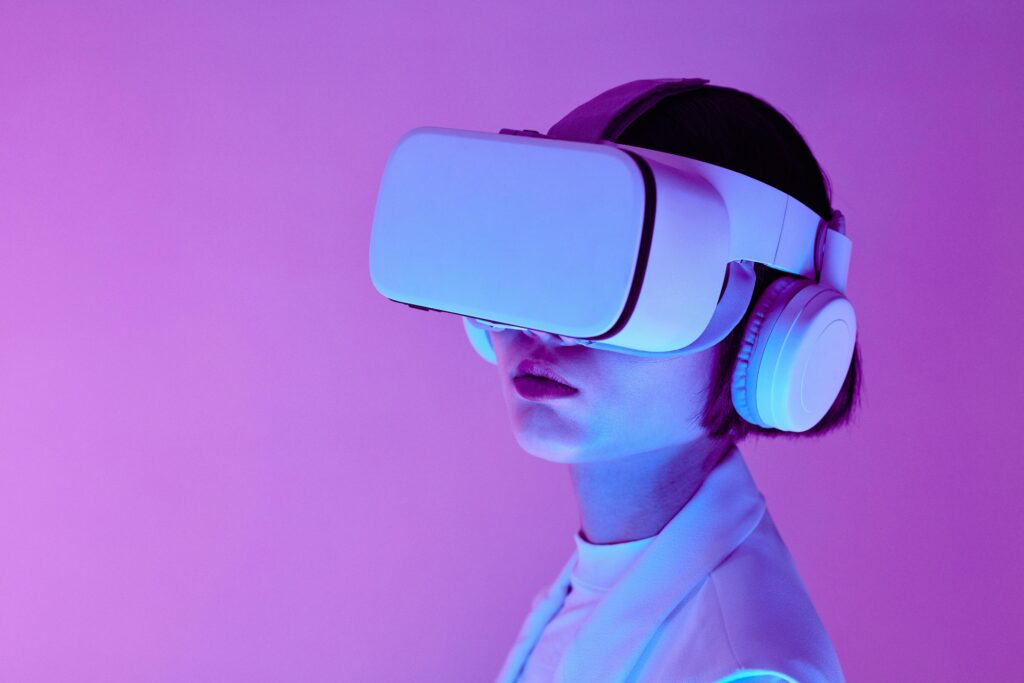
With Virtual Reality (VR) and Augmented Reality (AR), students can now:
🌍 Walk through Ancient Rome instead of reading about it.
🧬 Explore human DNA in 3D instead of staring at flat diagrams.
🚀 Practice space missions in a virtual NASA simulator before stepping into the real thing.
This isn’t futuristic fantasy — it’s already happening. Medical schools are training future surgeons with VR operations. Companies like Meta’s Horizon Workrooms and ClassVR are testing collaborative classrooms where students join from across the globe.
For Gen Z, who already grew up gaming in 3D worlds like Minecraft and Fortnite, VR classrooms don’t feel alien — they feel natural. The big challenge? Making this technology affordable and accessible beyond elite schools.
🎓 Micro-Degrees: Breaking the College Monopoly
The traditional 4-year college degree has long been seen as the golden ticket to success. But in the fast-moving digital world, do we really need four years to learn a skill that might become outdated in two?
Enter micro-degrees, nano-degrees, and online certifications. These short, skill-based courses focus on practical knowledge for specific industries. Platforms like Coursera, Udemy, and Google Career Certificates are leading this shift.
Why are they attractive?
⏳ Faster: You can learn data analytics in 6 months instead of 4 years.
💸 Cheaper: Costs a fraction of traditional college fees.
🧩 Flexible: Learn while working or freelancing.
💼 Career-focused: Companies like Google, IBM, and Microsoft already recognize these certifications.
Micro-degrees represent a new kind of career agility. Instead of one big degree defining your career, you can stack multiple micro-degrees across fields — becoming a multi-skilled professional.
⚡ The Gen Z Factor: How Students are Redefining Learning
Gen Z doesn’t want education that feels like a burden. They want learning that feels relevant, flexible, and meaningful. That’s why trends like YouTube learning, podcasts, and online communities are booming.
A Gen Z learner might:
Watch a coding tutorial on YouTube 🎥.
Practice on free platforms like HackerRank 💻.
Earn a Google certificate for validation 🎓.
Discuss ideas with peers in a Discord group 💬.
Learning is no longer top-down (teacher → student). It’s networked, peer-driven, and self-directed.
🧠 Challenges We Can’t Ignore
While AI, VR, and micro-degrees are exciting, they also bring challenges.
Accessibility Gap – Will rural students with poor internet access be left behind?
Over-reliance on Tech – Can machines ever replace the human touch in teaching empathy, values, and creativity?
Credential Inflation – If everyone has 10 micro-degrees, how do employers differentiate?
Data Privacy – AI-driven tools require personal data; protecting students’ privacy is critical.
Education in the future must not only be smart but also inclusive.
🌐 Education and the Global Workforce
Here’s the bigger picture: The way we study directly shapes the global economy.
AI tutors produce self-paced learners → people who adapt quickly in dynamic workplaces.
VR classrooms create experiential learners → people who learn by doing, not just memorizing.
Micro-degrees develop career nomads → professionals who can jump industries with speed.
This flexibility aligns with the future of work, where jobs are project-based, remote, and interdisciplinary.
🔮 What Could the Future Look Like by 2035?
Let’s fast-forward a decade:
Students “attend” global classrooms wearing lightweight AR glasses.
AI tutors monitor progress, suggest courses, and provide personalized career roadmaps.
A teenager in India earns a micro-degree in renewable energy while collaborating with peers in Germany and Brazil — all without leaving home.
Traditional universities reinvent themselves as hubs of innovation and mentorship, while skills are validated by global blockchain-based certificates.
The future of education won’t just prepare people for jobs. It will prepare them for lifelong reinvention.
🌟 Quick Tips for Gen Z Learners
Want to prepare for this shift? Here’s how you can stay ahead:
💡 Adopt Lifelong Learning – Don’t stop after college; treat education as ongoing.
🎧 Mix Formal & Informal – Blend structured courses with YouTube, podcasts, and online communities.
🌐 Think Global – Join virtual hackathons, study groups, and global projects.
🔎 Stay Curious – Explore AI tools and VR platforms early to stay comfortable with them.
💡 Final Motivation
“The classrooms of tomorrow aren’t built with walls but with imagination. Whether it’s an AI tutor guiding your path, a VR headset transporting you across galaxies, or a micro-degree unlocking a career, the future of education is not about passing exams — it’s about unlocking human potential. Learn boldly, because the future belongs to the curious.” 🚀